• Militia Muster

    Kings Mountain National Military Park 2300 Park Road, Blacksburg, SC, United States

    Join us for a Revolutionary War militia muster in the Carolina backcountry. During the war local militias held regular musters to ensure that everyone was trained and equipped in case they were required to go out and fight to defend their communities. Visitors will be able to experience drilling with simulated wooden muskets, attend a
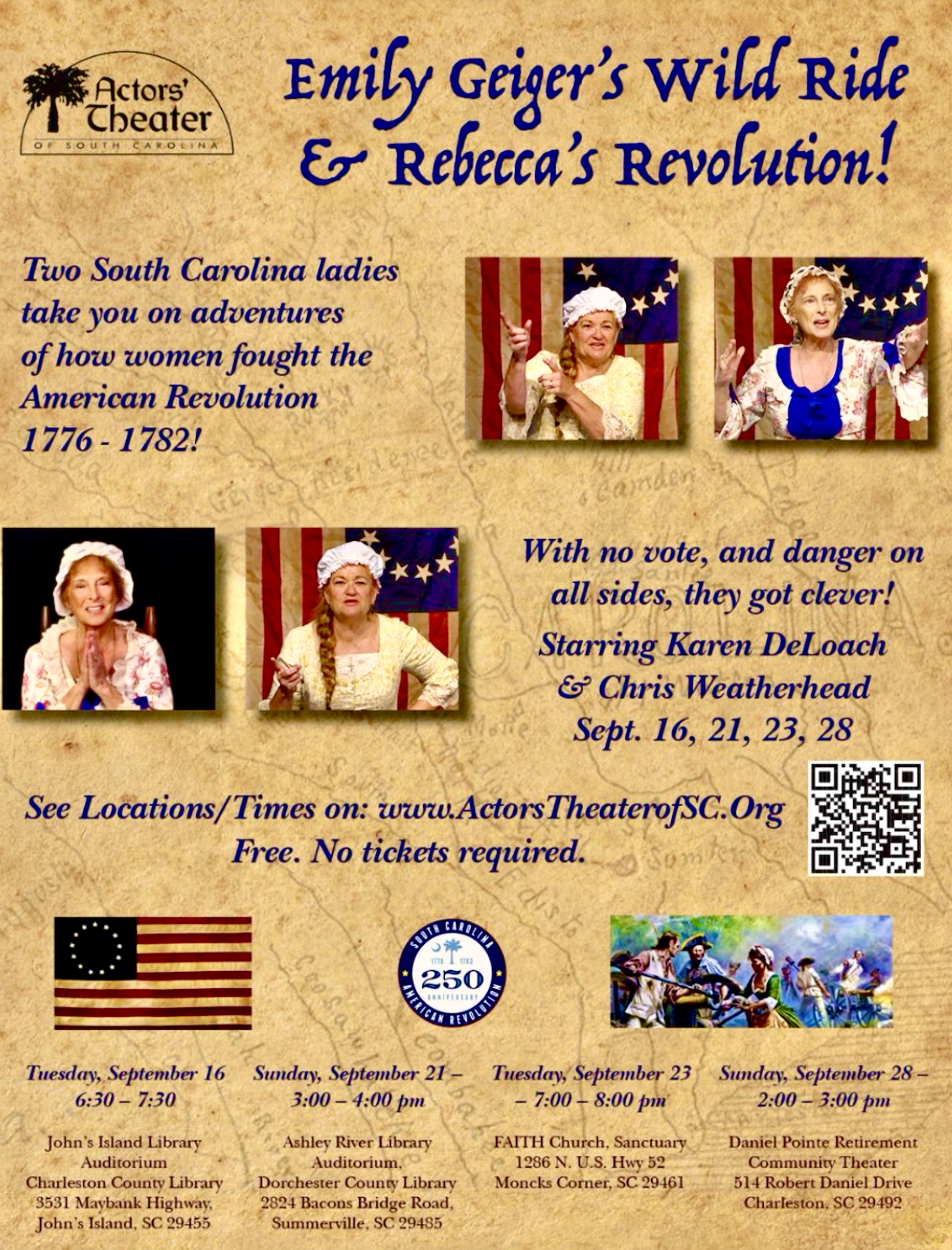
  • “Emily Geiger’s Wild Ride & Rebecca’s Revolution!”

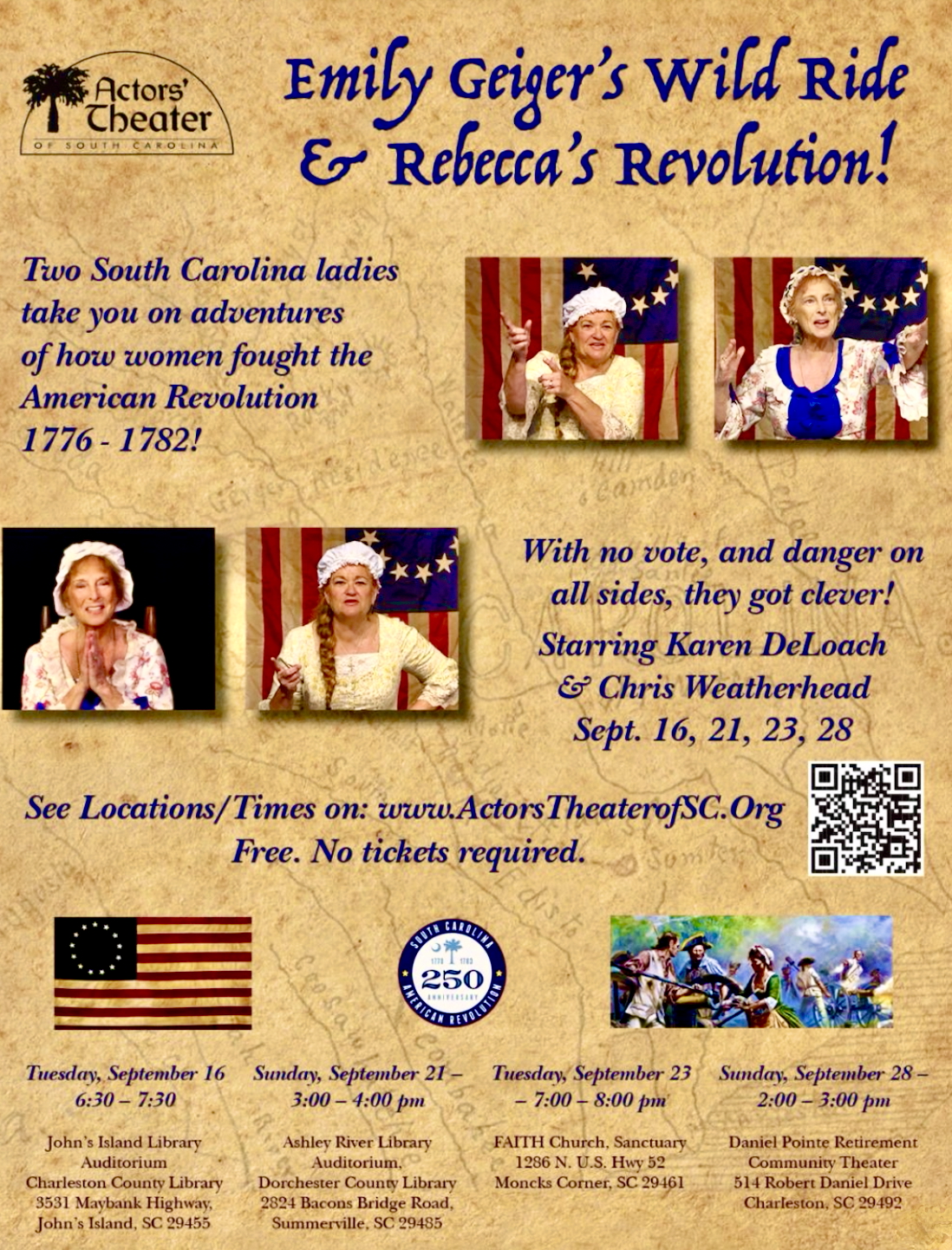
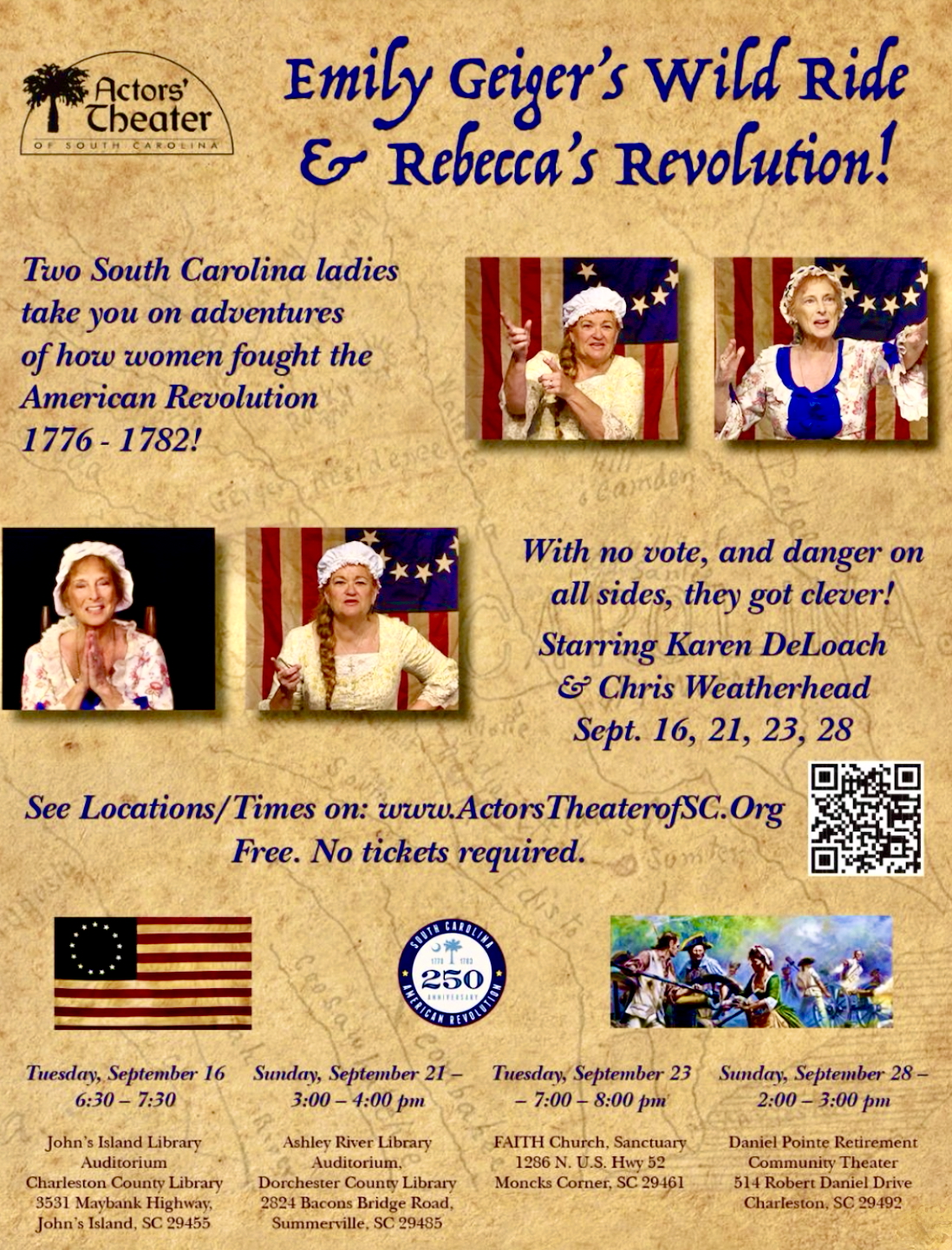
    Two South Carolina ladies take you on adventures of many ways women fought in the American Revolution 1770 – 1782 in South Carolina. With no vote, and danger on all sides, they got clever! You meet some unknown Patriot ladies, discover hidden facts and learn stories of bravery by the women who "Followed the Drum!" A dozen

  • “Emily Geiger’s Wild Ride & Rebecca’s Revolution!”

    Two South Carolina ladies take you on adventures of the essential and often harrowing ways women fought in the American Revolution 1770 – 1782 in South Carolina! With no vote, and danger on all sides, they got clever.  You will meet some unknown women, discover hidden facts and hear stories of bravery by ladies who "Followed the Drum!"

  • Tea and Torture

    Speaker: Lee Wilwerding The Boston Tea Party wasn’t the first protest against British policies—and it wasn’t the only one. Cities like Charleston, Philadelphia, Annapolis, and Edenton, North Carolina, all staged dramatic acts of resistance. Edenton’s may have been the smallest, but it caused a stir in Britain because it was organized by women. This talk

  • The South Carolina Navy during the American Revolution

    Lunch will be served followed by a talk by Joe Long, curator of education for the South Carolina Confederate Relic Room and Military Museum in Columbia. He will speak about the impact the South Carolina Navy had on the Revolutionary War and address the historical significance of the frigate, South Carolina, designed in France and

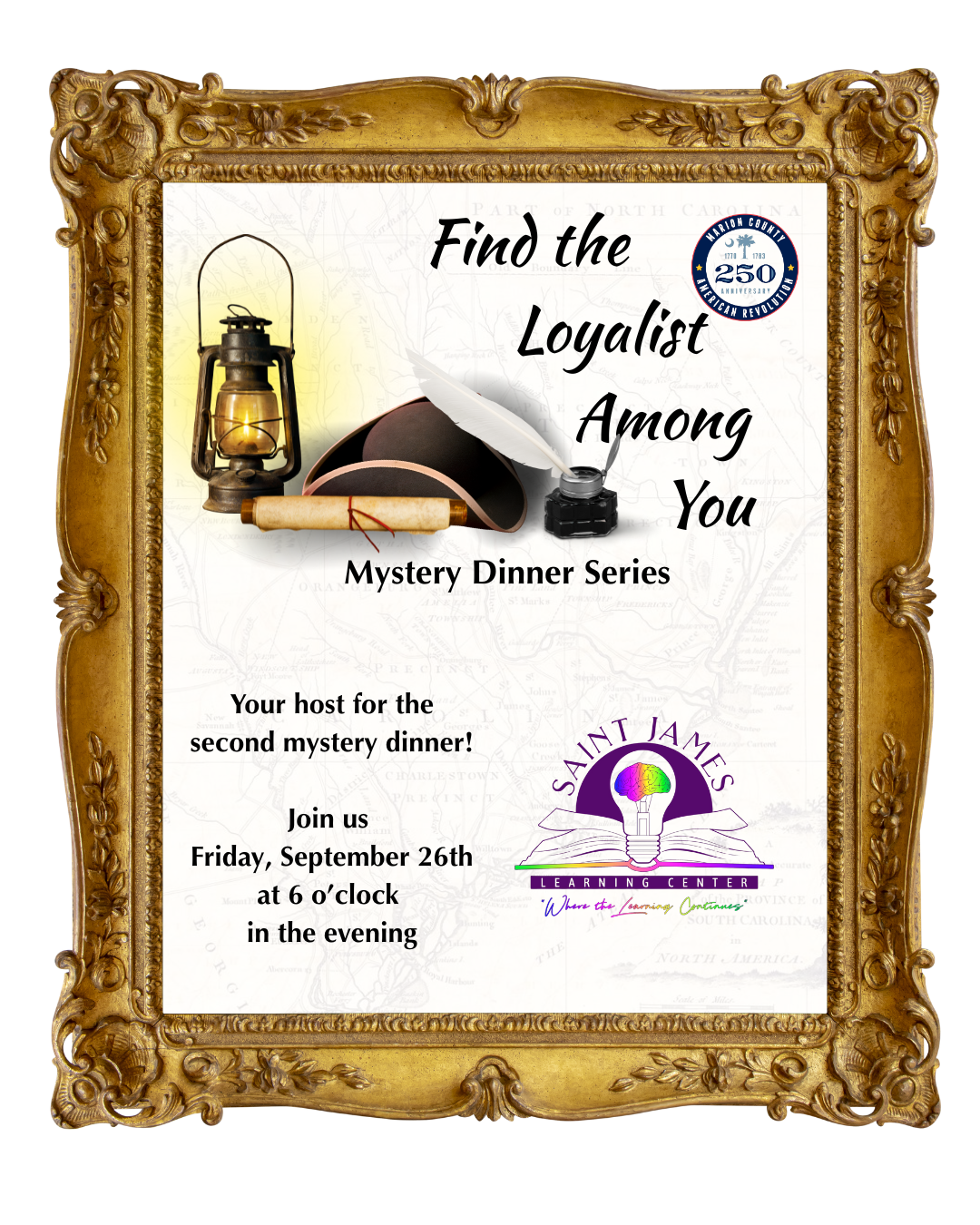
  • Find the Loyalist Spy Among You Murder Mystery Dinner

    Trump through the swamps as Marion County founders, dine on period appropriate foods, and solve the mystery of the Loyalist Spy that leads the Tories to Patriot houses to burn. Each dinner centers around three different battles that happened in Marion County.

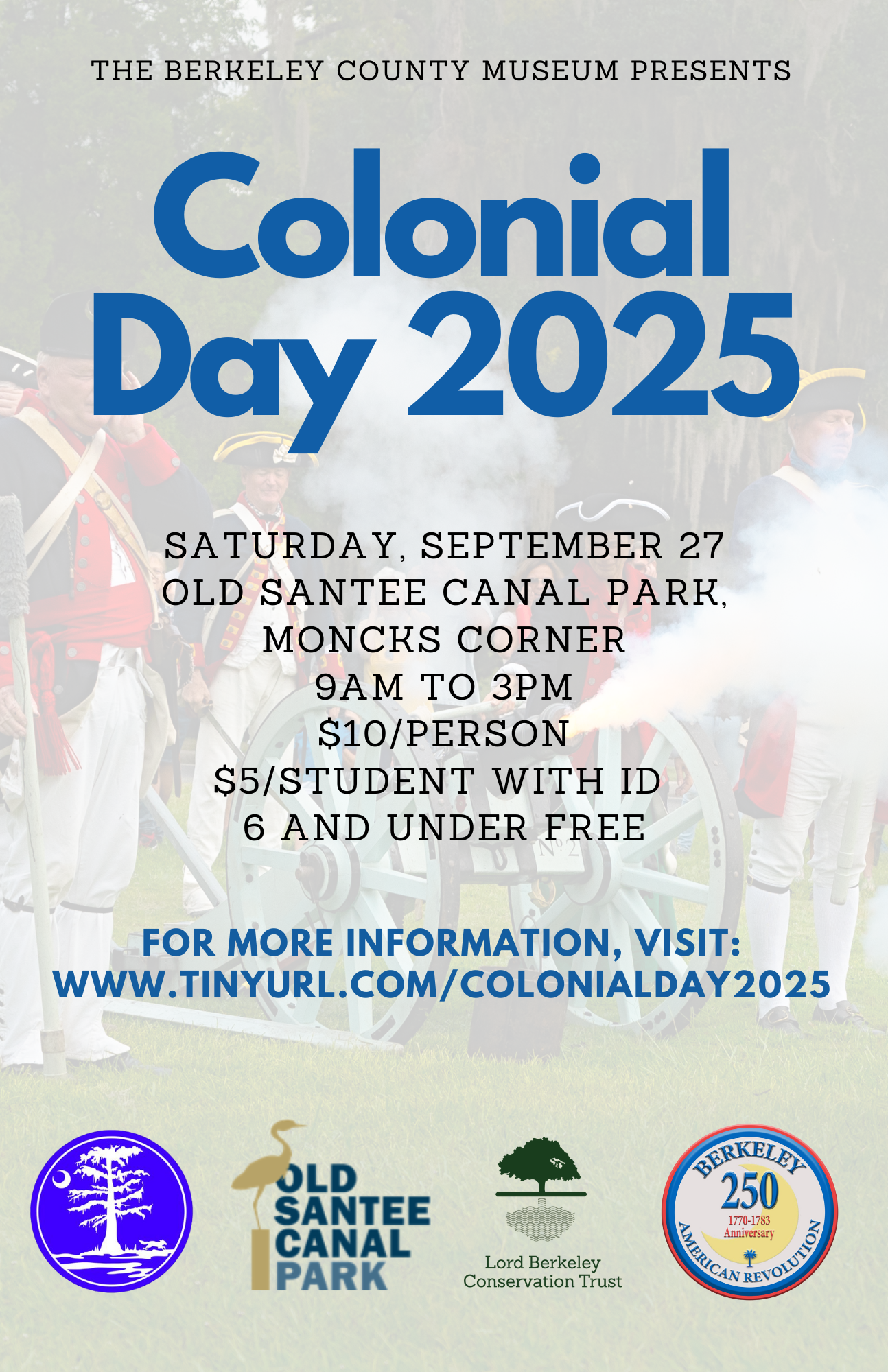
  • Colonial Day 2025

    On Colonial Day, the grounds of the Museum and Old Santee Canal Park come alive with 18th century living historians, lectures, artillery demos, and golf cart rides to Fort Fair Lawn.

  • SC250 at the USC Football Game

    Experience the American Revolution come to life in Gamecock Village prior to the start of the USC Football game.

  • “Emily Geiger’s Wild Ride & Rebecca’s Revolution!”

    Two South Carolina ladies take you on adventures of the essential and often harrowing ways women fought in the American Revolution 1770 – 1782 in South Carolina. With no vote, and danger on all sides, they got clever! You'll meet some unknown women, discover hidden facts and hear stories of bravery by ladies who "Followed the Drum!" Tales

  • The American Revolution in South Carolina

    This presentation will review the origins of South Carolina’s break with England, its key leaders on both the Patriot and Loyalist sides, and how the events transpired to the fall of Charleston in May 1780. This topic can be refocused on single campaign and battles in the state, such as the Battle of Camden and

  • Homeschool Day: Becoming a State

    Revolutionary War Visitors Center 212 Broad St, Camden, SC, United States

    Once a month, the Rev War Center offers a free homeschool day where small school groups can come together and experience one of the educational programs offered by the Center. A minimum of ten students will be needed to host these educational programs, if the minimum is not met then parents will be notified a

  • Colonial Hilton Head: Community and Conflict

    Speaker: Richard Thomas After the Indian wars and the rise of the indigo market in South Carolina in the 1740s, Hilton Head Island became a growing settlement. In the years leading up to the American Revolution, about 25 families owned and worked plantations along the island’s northern and western shores. As the population grew south