
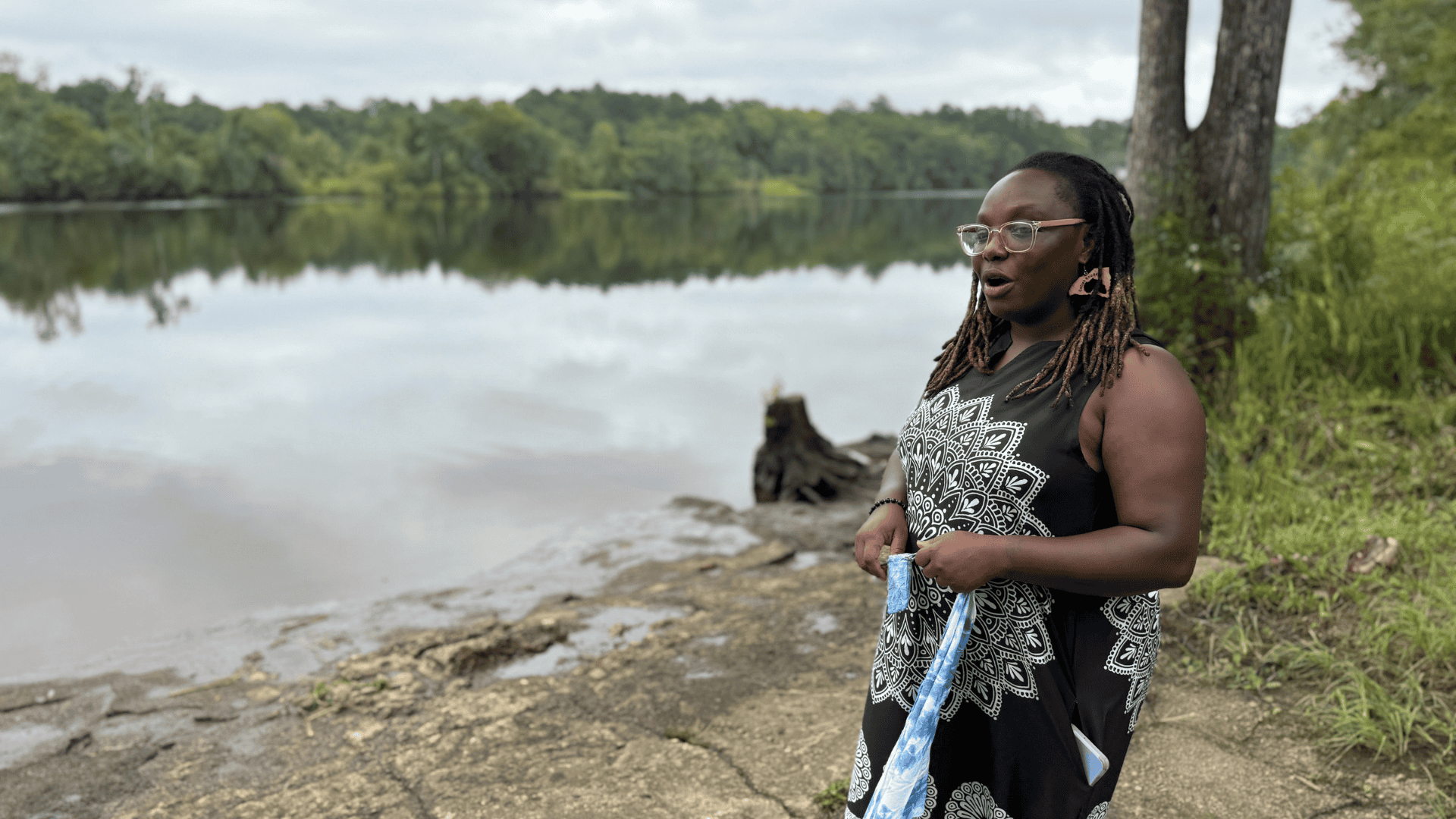
For Pelor Richards, the questions began with the history she grew up hearing.
“Growing up around this history, General Marion was always on the forefront, and I wondered, how did we play a part in this? How did the African American community play a part in this?” she said. “It wasn’t really a conversation to share all history.”
Today, Pelor is helping ask those questions and share what she is discovering..
Across South Carolina, communities are taking a closer look at the experiences of African Americans and people of the Gullah Geechee culture during the Revolutionary era. Through festivals, exhibits, performances, research and community conversations, SC250 is helping support that work and bring more of those stories forward as part of South Carolina’s 250th commemoration.
For Pelor, a sixth-generation Gullah Geechee descendant and founder of the Gullah Goodz Cultural Heritage Foundation, it is work that connects generations.
“When I speak to the elders and share information, they’re like, ‘Wow, that really happened?’ And then now as a mom and sharing it with my kids, it’s like a light bulb going off,” she said. “They get to acknowledge it, they get to share more of it, they get to feel it.”
You could see that history and culture coming together in September at the SC250 Indigo Festival at Williams Vineyard & Farm in the Nesmith community of Williamsburg County.
Indigo, once one of colonial South Carolina’s most valuable cash crops, was at the center of the day. But the festival also looked more deeply at the people behind it, including the enslaved Africans whose knowledge and labor were an important part of its cultivation and production.
Through indigo dyeing, Carolina Gold rice, living history, music, food, artisans, and exhibits, visitors had the chance to experience the connections among agriculture, African American history and Gullah Geechee culture, and to see how those connections continue today.
That work is taking many forms across the state.
With support from SC250, Gullah Traveling Theater created Da’ Gullah American Revolutionary Experience, sharing the experiences and contributions of Gullah people during the Revolutionary era through history, storytelling and music.
Researching those experiences is not always easy. Records documenting the lives of enslaved people can be limited, leaving important questions about the people who lived through this period and the roles they played. The research behind Da’ Gullah American Revolutionary Experience is helping bring some of those stories to the stage and to new audiences.
In Greenville, visitors to Sigal Music Museum can discover another part of the story through American Voices: Lost & Found, an SC250 exhibition exploring the music that was part of American life around the time of the Revolution.
The exhibition includes Gullah music traditions, with research and contributions from guest artist Ra Amen Stallings, working with the Joyner Institute of Gullah Studies at Coastal Carolina University. It is a chance to think about history not only through the documents and artifacts that remain, but also through the music, traditions and stories passed from one generation to the next.
And the work continues.
Programs including Untold Voices of the American Revolution: African Americans are exploring the roles African Americans played during the Revolutionary era. The Slave Dwelling Project Conference, 250 Years and Counting: Reckoning, Resilience, and Remembrance, is bringing people together to explore Black colonial history, preservation and remembrance.
Then, on November 21, the second annual SC250 Sweet Potato Festival will bring history, culture and community together at Freewoods Farm in Horry County.
Pelor started the Sweet Potato Festival and, in 2026, founded the Gullah Goodz Cultural Heritage Foundation to connect culture-bearers, businesses and communities throughout the Gullah Geechee Cultural Heritage Corridor.
She is also a mother of three, making the work of learning and sharing this history especially personal.
The 250th anniversary of the American Revolution gives South Carolina an opportunity to look back at a defining time in our history. It also gives us a reason to keep looking, listening, and learning.
There are stories we know well. There are others that are still being researched and brought forward. And there are stories that have long been known and carried within families and communities, even if they have not always been included in the larger telling of the American Revolution.
They are all part of South Carolina’s Revolutionary story.
For Pelor, sharing that history is not only about looking back. It is about making sure others have the opportunity to know it, feel connected to it, and carry it forward.
“I don’t want it just for a me thing,” she said. “I want it for an us thing.”