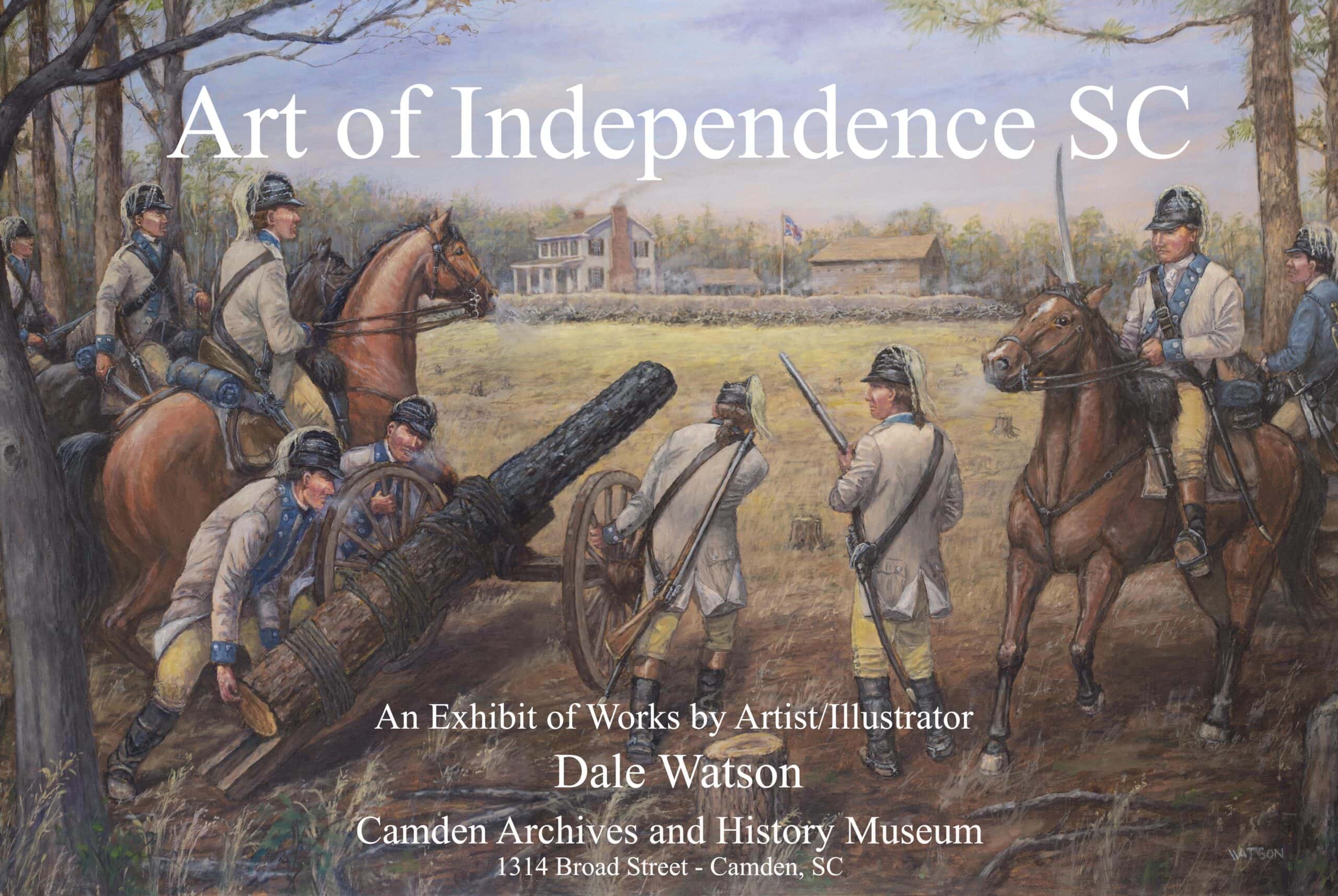
Celebrating 250 Years of the American Dream Art Exhibit
What does the American Dream mean to you? The Arts & Heritage Center invites all artists to express your interpretation of that idea through your chosen medium for a special
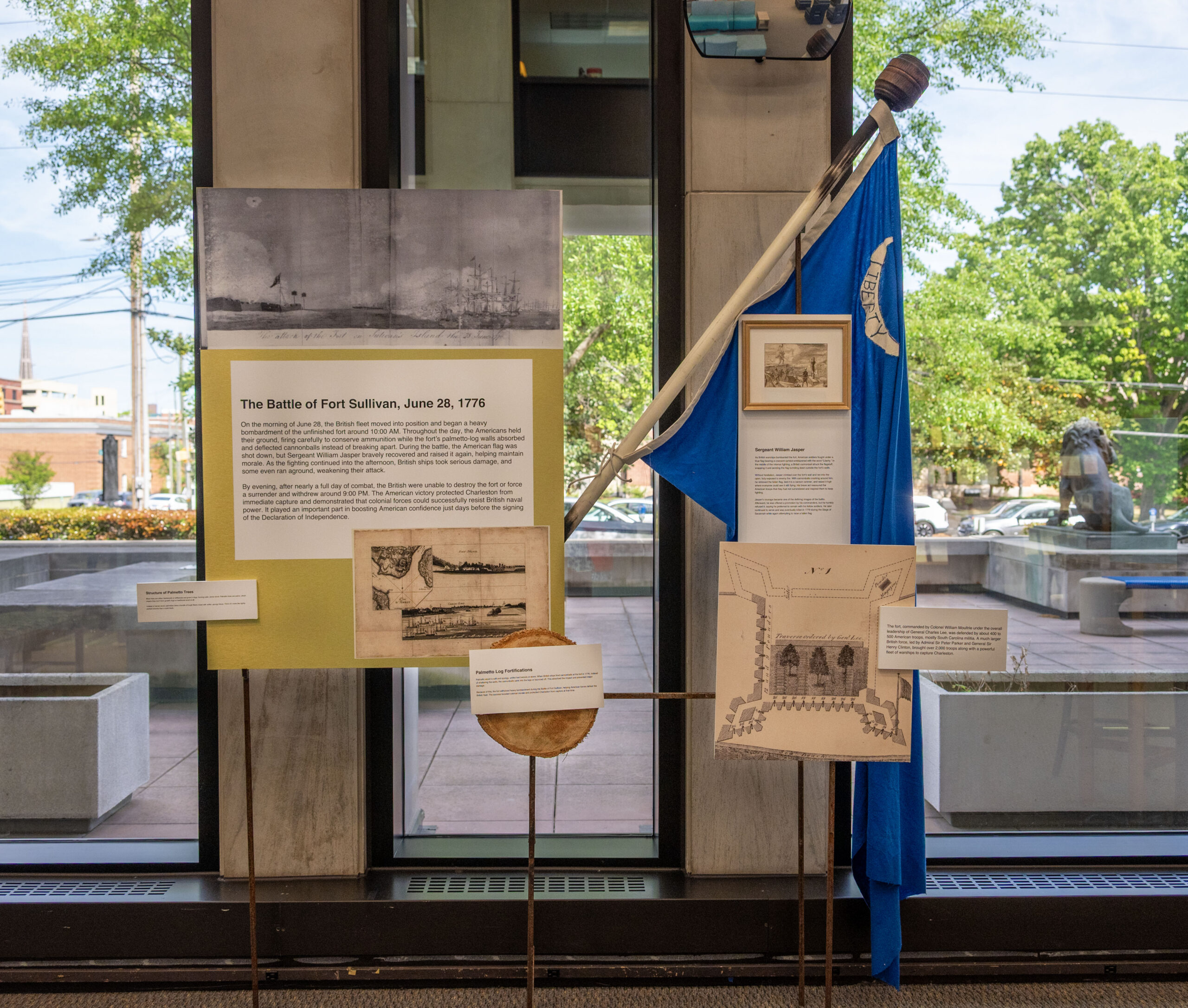
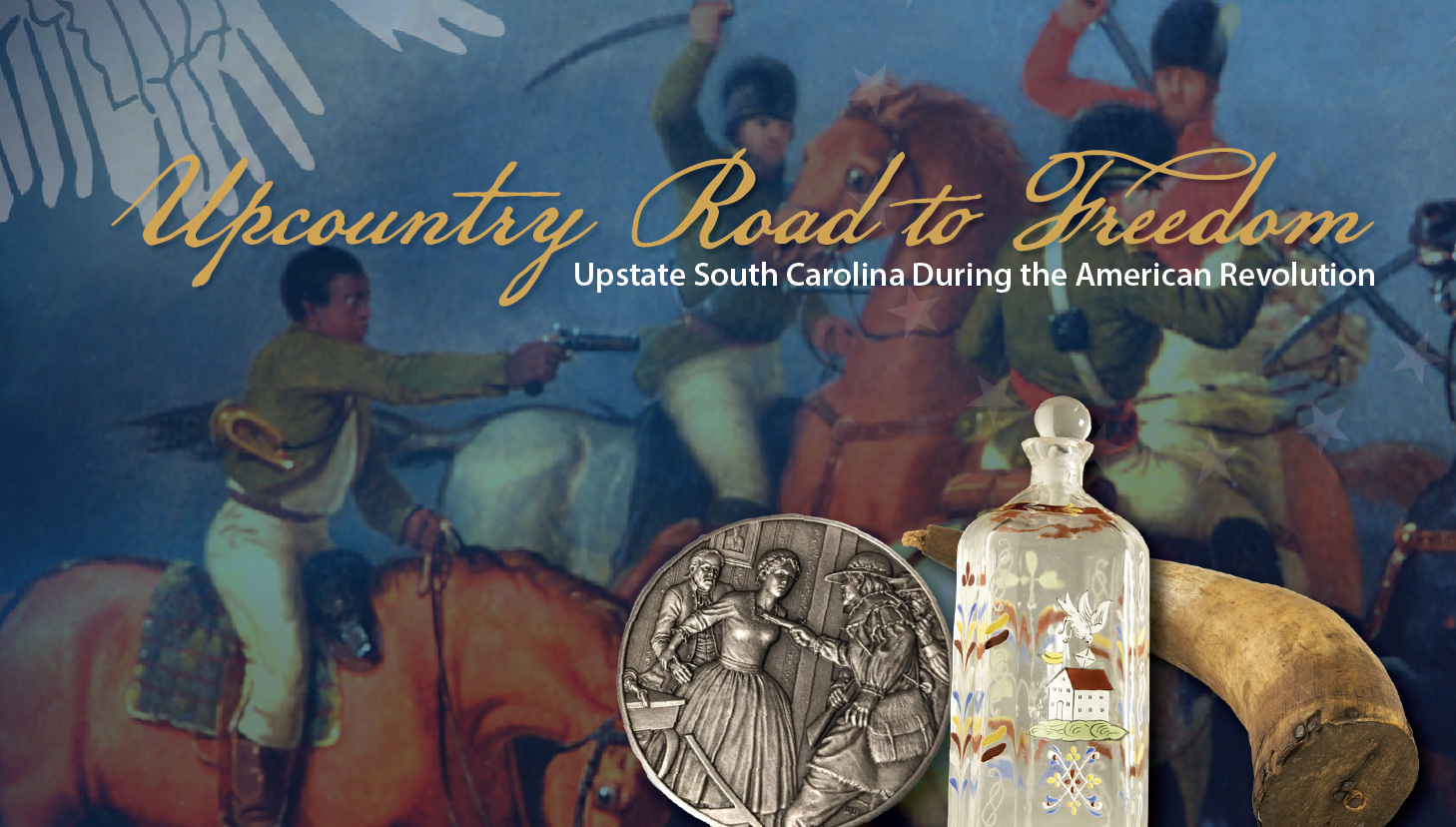
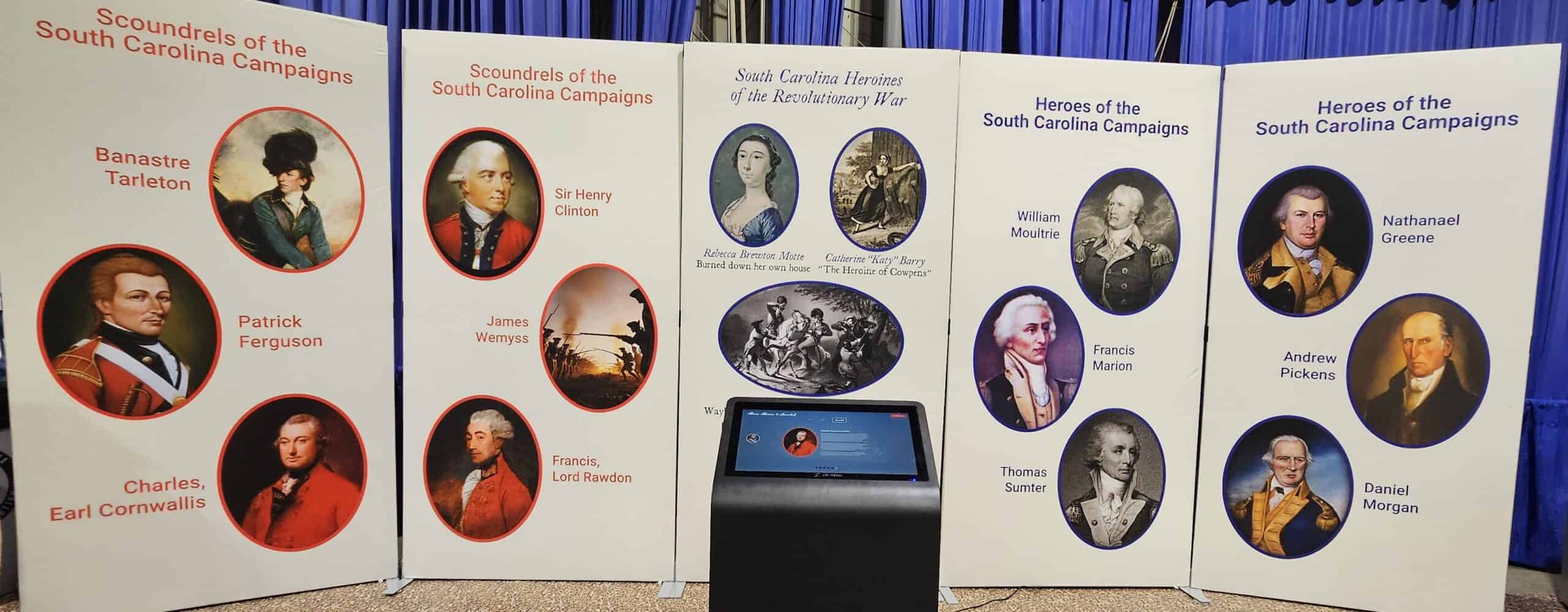
In honor of the 250th anniversary of the United States of America, join us in the Historic Textiles Gallery for a special exhibit on Revolutionary War history and 18th century
In this 250th anniversary year of the American Revolution and our country’s birth, we invite you to come listen to the music that has been so much a part of
“Resilience & Revolution: Native Peoples in 18th Century South Carolina” is a traveling exhibit from the South Carolina State Museum that will be on public display at the Georgetown Library
Focused on the Battle of Hobkirk’s Hill (teacher’s choice!) students will be taken through an in-depth walkthrough of the battle. Students will discuss the decisions made on both sides and
*Part of "A Glorious Cause: South Carolina and the American Revolution: A Public History Initiative by the Georgetown County Library," South Carolina Institute of Archaeology & Anthropology Research Professor Steven
Join Historian and Battlefield Preservationist Durant Ashmore for a Lecture on The Fall of Savannah - One of the most pivotal events of the Revolutionary War. The beginning of the
*Part of "A Glorious Cause: South Carolina and the American Revolution: A Public History Initiative by the Georgetown County Library," the Waccamaw Library will host renowned historian Dr. Nicholas Cole,
Join Carl P. Borick, Director of The Charleston Museum and author of A Gallant Defense: The Siege of Charleston, 1780, as he leads a tour to some of the key
Spring Carnivale
Mepkin Abbey, Keep Berkeley Beautiful, Cordesville Community, and B250. Public meet up at Wadboo Landing. PUBLIC.
Ink & quill was the original paper and pen and was widely used during the American Revolution to write patriot correspondence, loyalist letters, and British proclamations promising freedom. Guests are