
Start Your Grant
Ready to get started on your application? We’ve laid out step by step guidance for you to walk through that will ensure your organization and application are ready for submission and success. For first time grant requests this is your place to start.
SC250 grants support projects that focus on South Carolina’s role in the American Revolution and must be clearly tied to Revolutionary-era events, people, places, or experiences in South Carolina.
What’s New
The SC 250 Commission has revised and updated our funding priorities, funding levels and a number of other criteria to align with these strategic efforts.
Funding Priorities
- Site acquisition, interpretation and signage
- Education and curriculum
- Historic Preservation
- Genealogy
- Tourism Infrastructure
- Digital Engagement
- Exhibits – Portal or Digital
- Teacher, Youth, Adult Engagement
Key Dates
- September 1, 2026
- December 1, 2026
- March 1, 2027
- June 1, 2027
Review Cycle
- Quarterly
Funding Levels
- Community Impact – Up through $15,000
- Major Projects – Up to $50,000
- Premier Projects – Up to $125,000
Evaluation Criteria
- Eligibility (1770-1783 American Revolution in South Carolina)
- Alignment with SC250 priorities
- Project readiness
- Anticipated public impact
- Organizational capacity
- Availability of funding
Get Started
Project Summary, Fit, & Fiscal Agent
Tell us about your project. What are you planning to do, who will serve as the project director, and who will be responsible for managing the grant funds?
Determining your fit and selecting a fiscal agent are the critical first steps. All SC250 grants must relate to the American Revolution in SC from 1770 – 1783. It’s our reason for existence and your project needs to focus on this period of time for consideration.
“Select Fiscal Agent” means choosing the organization or entity that will be legally and financially responsible for managing the grant funds. When the application asks “Who will be managing your grant funds?”, this is where you answer. Best practice is for the fiscal agent to also serve as the applicant whenever possible.
Responsibilities Include:
- Receives and manages the grant funds.
- Signs the grant agreement if the project is awarded.
- Maintains financial records (receipts and proof of payment).
- Provides financial documentation required by SC250.
- Submits information needed for reimbursement and audit purposes.
Have similar efforts already been completed? Consider whether your project duplicates existing services, programs, or resources, and how it adds something new or different. Looking to explore what’s been funded in the past? Check out our SC250 Awarded Grants:
Build Your Budget & Select Your Funding Opportunity
Now that you’ve determined the scope of your project, you’ll need to determine how much funding will you need to successfully complete the work. Build a detailed budget BEFORE selecting a funding opportunity. Funding levels have recently changed and the SC250 grants team has put together a simple high level overview of funding levels with key information for prospective submitters.
Community Impact Grants
Maximum Award:
Up through $15,000
Match:
No matching funds are required but highly encouraged.
Final Approval:
SC250 Executive Director
Dates for Award Notification:
10/1/26, 1/5/27, 4/1/27, 7/12/27
Major Project Grants
Maximum Award: 15,001 to $50,000
Match Requirement: 20% cash match of your total budget not your ask amount
Match Calculation: Match = (Grant Request ÷ 0.80) × 0.20
Additional Requirements:
- Consultation with SC250 staff is suggested before submitting an application.
- Virtual grant worksession allowing for Commissioner questions.
- A second consultation may be required following the grant worksession to address any Commission-requested revisions.
- Availability (in-person or virtual) at the next Commission meeting for any Q&A.
Final Approval: Full SC250 Commission (with exception for Executive Committee Review)
Dates for Award Notification:
11/12/26, 2/11/27, 5/21/27, 8/20/27
Premier Project Grants
Maximum Award: $50,001 to $125,000
Match Requirement: 25% cash match of your total budget not your ask amount
Match Calculation: Match = (Grant Request ÷ 0.75) × 0.25
Additional Requirements:
- Consultation with SC250 staff is required before submitting an application.
- Virtual grant worksession allowing for Commissioner questions.
- A second consultation may be required following the grant worksession to address any Commission-requested revisions.
- 5 Slides / 5 Min. Presentation at the next Commission meeting with Q&A.
Final Approval: Full SC250 Commission
Dates for Award Notification:
11/12/26, 2/11/27, 5/21/27, 8/20/27
Determine Your Grant Project Type
It’s critical that you determine the type of project you’re trying to fund as each project has specific funding criteria and requirements. All projects must be clearly tied to the 1770–1783 timeframe. Explore grant types and their specific requirements below.
Museum & Library-Style Exhibit Grants
Funding for the creation of museum and library-style exhibits to connect communities to their local SC American Revolution history.
Local Activities Grants
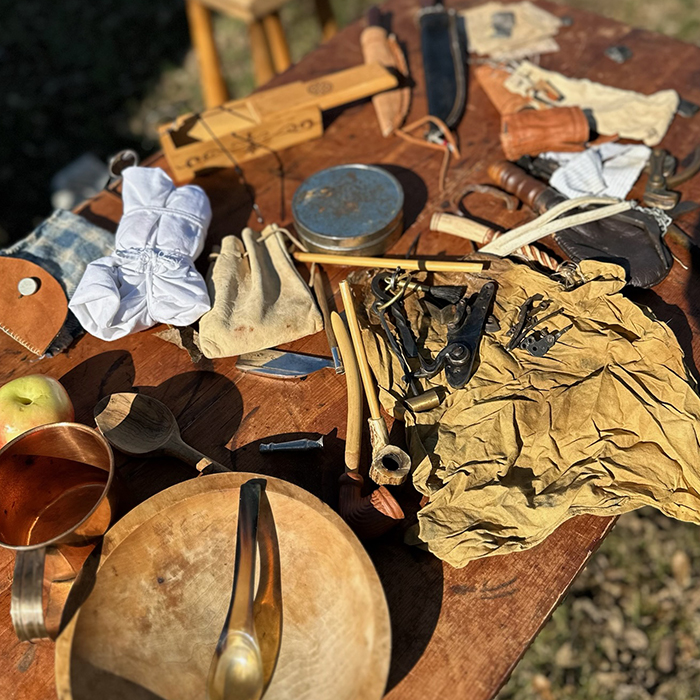
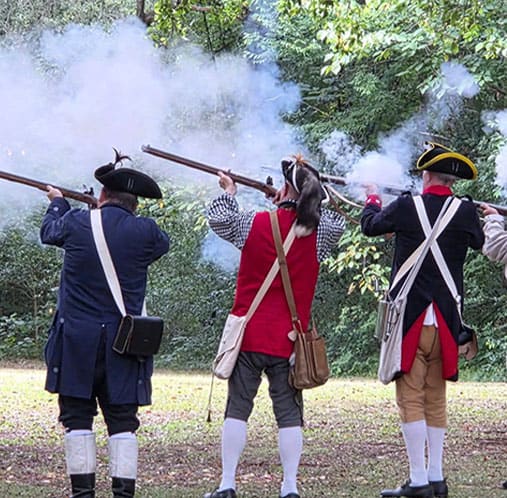
Seed funding to help communities plan and execute local Revolutionary War activities, including public art, performances, living history, presentations, or more.
Historic Tourism & Marketing Grants
Grants to help communities plan and execute on tourism development projects to share their American Revolution story with visitors and history lovers alike.
Research Grants
Funding to advance research, publications, genealogy, digitization projects to expand our knowledge of SC’s role in the American Revolution.
Education Grants
Grants and funding to support teachers and scholars as they educate South Carolinians and visitors of all ages on SC’s role in the birth of our new nation.
Signage & Marker Grants
Grants for interpretive signage and historic markers to expand knowledge around the local area’s American Revolution significance.
Site Grants
Funding for the planning, acquisition, development and renovation of historic sites including battlefields, pull offs and interpretive sites.
Get Your Paperwork Ready
Paperwork is where a lot of applicants get stuck. In addition to general requirements below, each grant type has specific requirements that you can see by clicking on Grant Type. The following are some of the most common paperwork submissions applicants get hung up on.
Fiscal agent documentation:
- Signed W-9
- Current adopted budget
- Most recent operating financial statement
- State Vendor NumberKey contacts
(Project Director, Fiscal Officer, Authorizing Official)
Nonprofit documentation (if applicable):
- IRS 501(c)(3) or 501(c)(6) determination letter
- Secretary of State charity registration letter
- Board member list
- Mission statement
Project information:
- Deliverables & Measurement of Success
- Timeline
- Budget and quotes
- Supporting documents such as plans, research, letters of support, or peer review documentation, depending on the grant type.
- Proof that you have shared your project with your local County 250.
- Letter of support, email documentation or County 250 Meeting Agenda.
- County 250 primary contacts can also send documentation directly to grants@southcarolina250.com.
Conflicts of Interest
Any potential conflict of interest must be fully disclosed and justified. For example, if grant funds will be used to compensate family members or individuals with a close personal relationship to project staff, applicants should provide a clear explanation of why that arrangement is necessary and appropriate.
Explore Partners & Funding
Now that you have selected your funding amount and grant type, consider how partnerships can help strengthen your project. Partnerships are an excellent way to demonstrate community support, encourage cost share, and enhance the overall impact of your application. Strong partnerships can improve project outcomes and make your application more competitive, especially if they bring funding to the table.
Potential partners may include:
- Local Organizations: Official County 250 Committees, municipalities, and tribal governments.
- Cultural Institutions: Museums, historical societies, libraries, and visitor centers.
- Education & Commerce: Chambers of commerce, colleges and universities, schools, and public-private business partnerships.
Apply!
If you’ve made it this far, then you’re primed and ready to start your submission. Click on the link to register with Discover SC and begin the application process.
Grants Webinars
Webinars to help counties and groups get organized, apply for grants, and explore opportunities to learn more about the amazing role SC played in the founding of our nation.
Frequently Asked Questions
Applicant Support Guidance
Ready to start planning your grant application? Look no further than our applicant support guidance page which provides step by step instructions and host of links to get you started.